Pavlina Vagioni is a Greek multimedia artist. She retains studios in Athens, Greece and Houston, Texas.
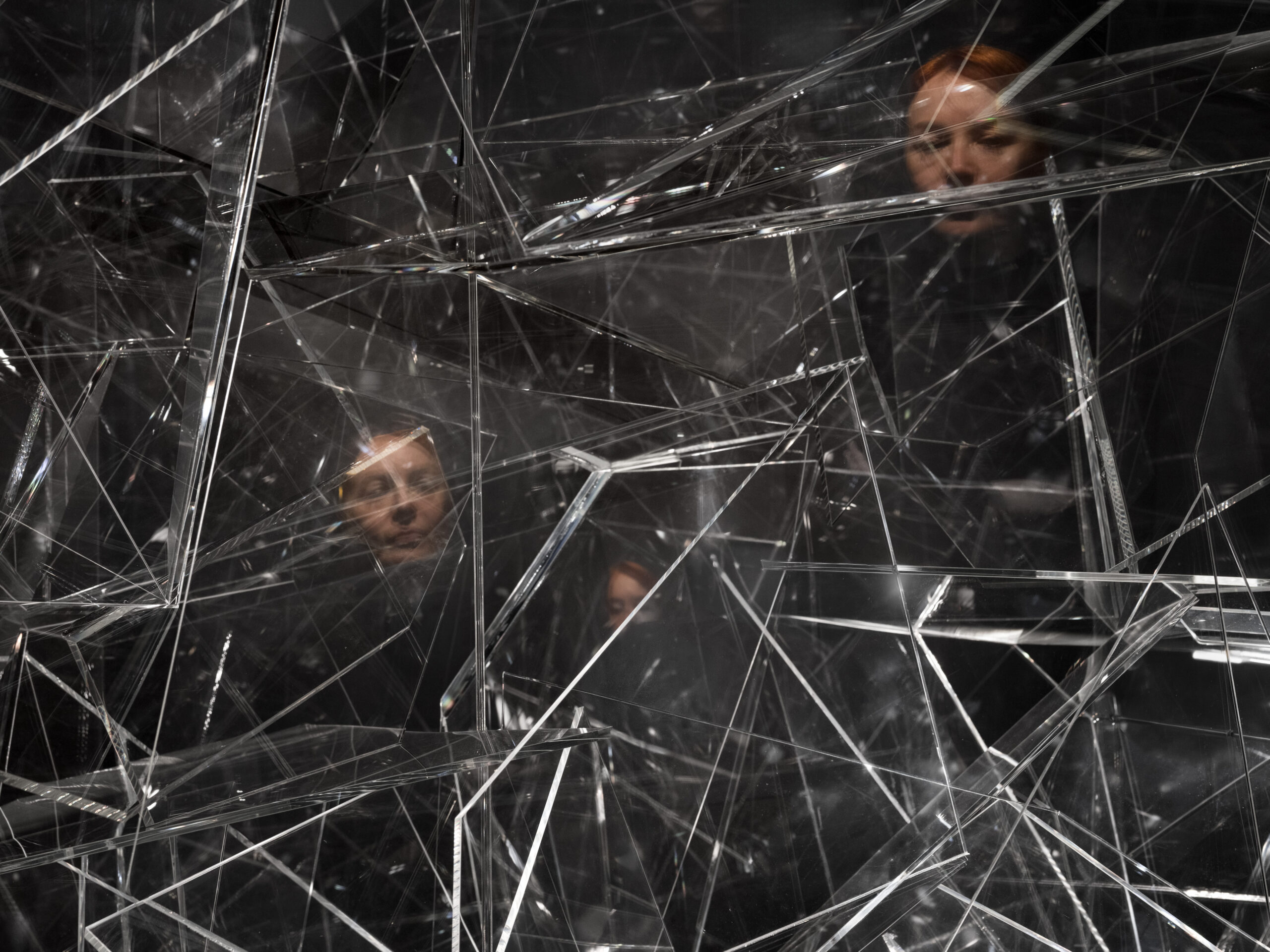
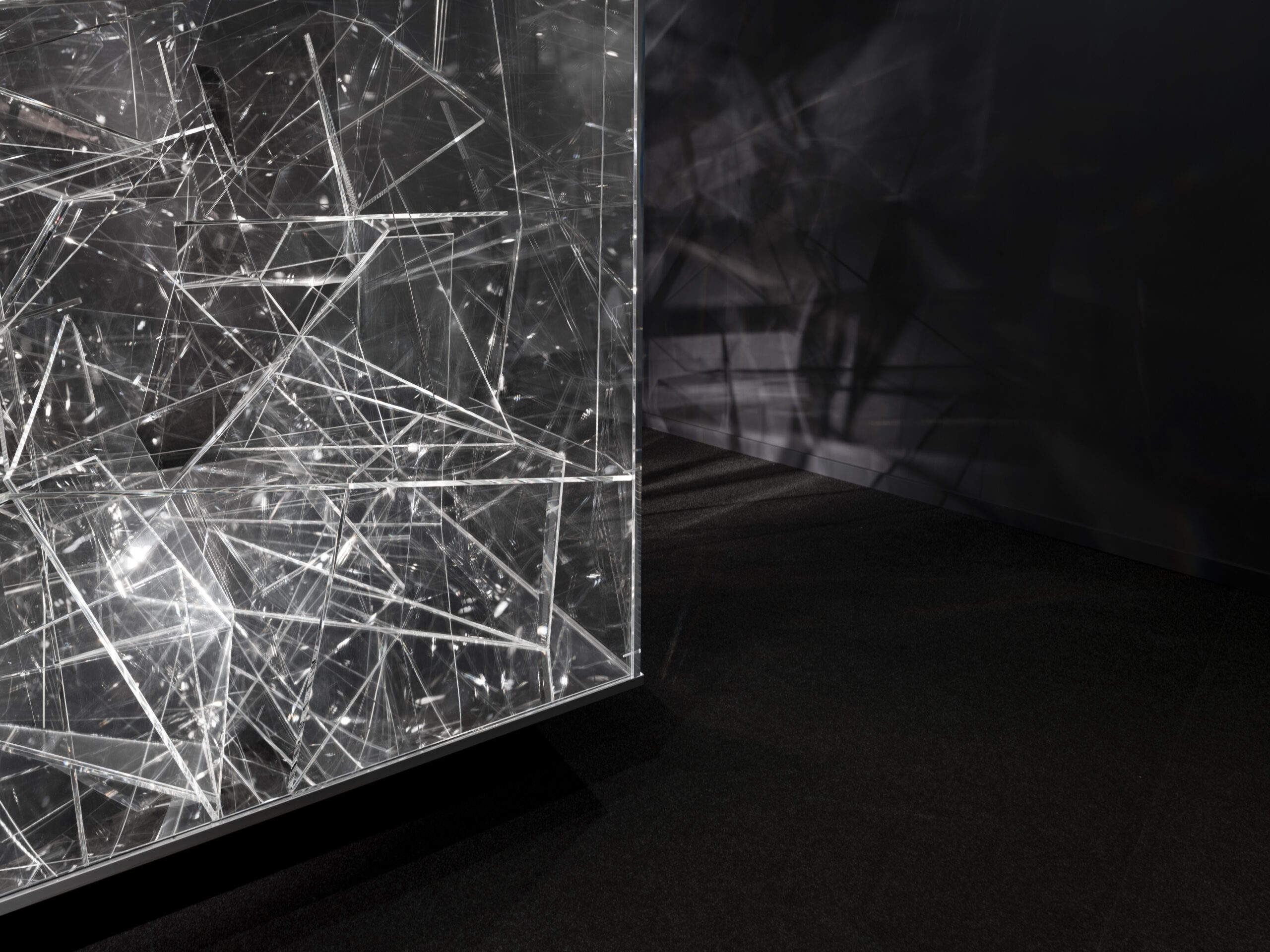
Neikos (Strife). Photography by Ugo Carmeni
Neikos (Strife). Photography by Ugo Carmeni
Neikos (Strife). Photography by Ugo Carmeni
Neikos (Strife). Photography by Ugo Carmeni
Neikos (Strife). Photography by Ugo Carmeni
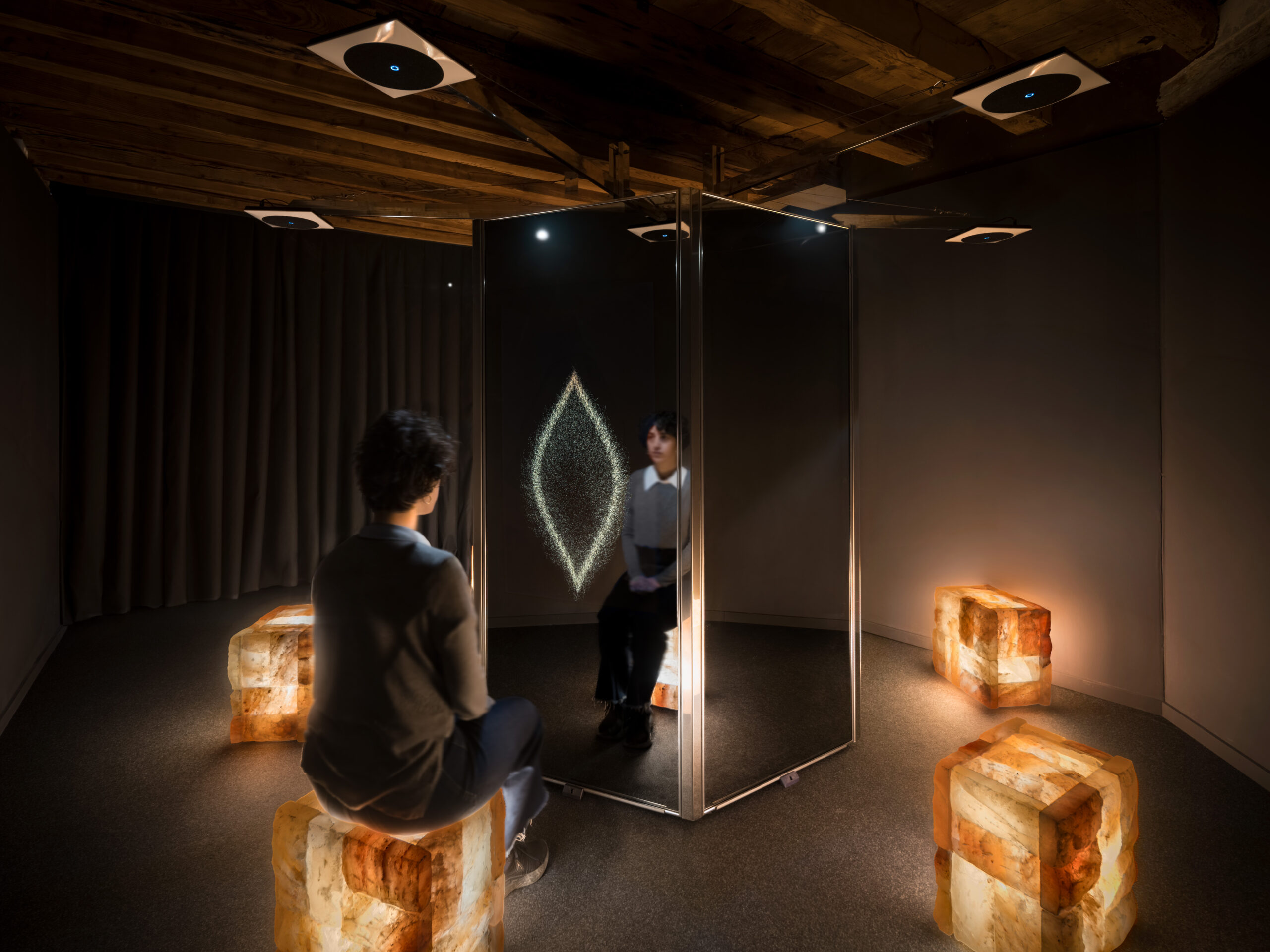
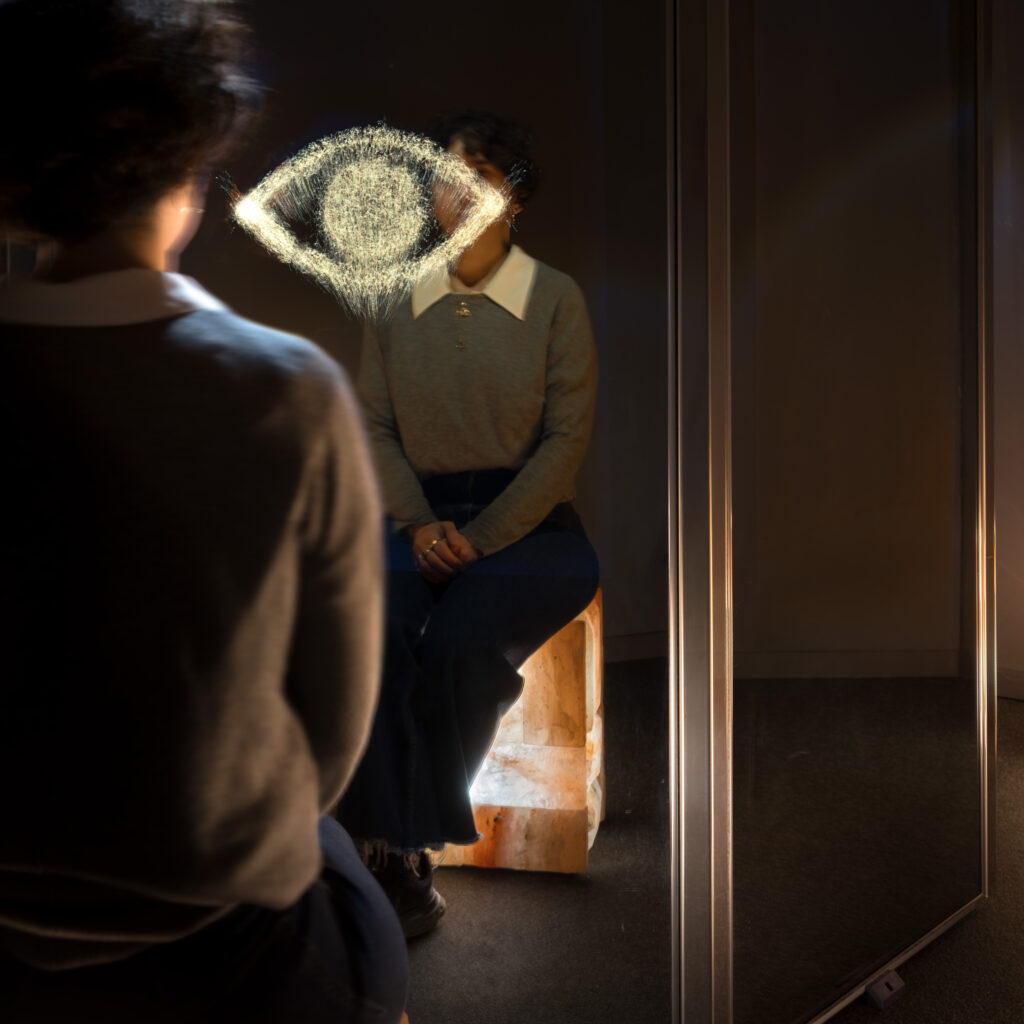
Philotes (Love). Photography by Ugo Carmeni
Philotes (Love). Photography by Ugo Carmeni
Philotes (Love). Photography by Ugo Carmeni
Philotes (Love). Photography by Ugo Carmeni
Philotes (Love). Photography by Ugo Carmeni
CURATORIAL TEXT
By Dr Laura Augusta
Martinican poet-philosopher Édouard Glissant defines kinship as decision, rhizomatic connection, formed through a process of becoming, in relation. In Pavlina Vagioni’s first Venice presentation, a kind of hopefulness illuminates the visitor’s path from abstraction to warm conviviality: here, Vagioni responds to Koyo Kouoh’s In Minor Keys by inviting visitors through a slowed and meditative migration, moving from isolation to connection through two site-specific installations.
Beginning with Neikos, the visitor finds a clear cube divided into sharp and reflective angles. Formed of metal and acrylic, the structure is at once shimmering and evasive. Beyond its surfaces, the work’s industrial untouchability signals a kind of perfect solitude, a fractured world. Here, Vagioni draws from the Greek pre-Socratic philosopher Empedocles who described two divine energies–Love and Strife (Neikos)–which could alternatively connect (love) or divide (strife). This gridded structure, in its hard angles and glossy, impenetrable surfaces, offers a visual metaphor for Neikos.
In Stoic philosophy, Oikeiōsis is a practice–through active effort–of belonging: a kinship. In this tradition, solitude and close attention eventually structure a path toward affiliation with others; that is, true happiness requires both an inner alignment with one’s self and then the cultivation of harmony through shared experience.
As the viewer transitions from Neikos to Philotes, they move symbolically toward such collectivity–Oikos, which means ‘household’ in Greek, is a sacred concept of shared space. In Vagioni’s second installation, visitors are invited to sit on warmed salt blocks, which surround a hexagonal structure. A heartbeat pulses through the space, and the artist’s voice offers an ethereal accompaniment, as each visitor is marked by a gentle spiraling drawing, made of light, and centered near their heart. The experience lasts only a moment, but the invitation is to slow one’s rhythms to a shared beat, connecting at once with the other seated visitors and with the unknowability of the cosmos in an experience of relation.
Dates: 6 May to 25 October 2026
Venue: Spazio Tana, Castello 2127/A, 30122 Venice (opposite the main entrance of the Arsenale)
Hours: Tuesday to Sunday, 11am to 7pm
Press view: Wednesday 6 May, 9.30 to 11.30am (RSVP required)
Private view: Wednesday 6 May, 5.30 to 7.30pm (RSVP required)
Under the auspices of the Hellenic Diaspora Foundation